What we clear
Garages full of old furniture, basements after a flood, sheds nobody has opened in years, and estate cleanouts after a family member moves into assisted living are the most common calls we get.
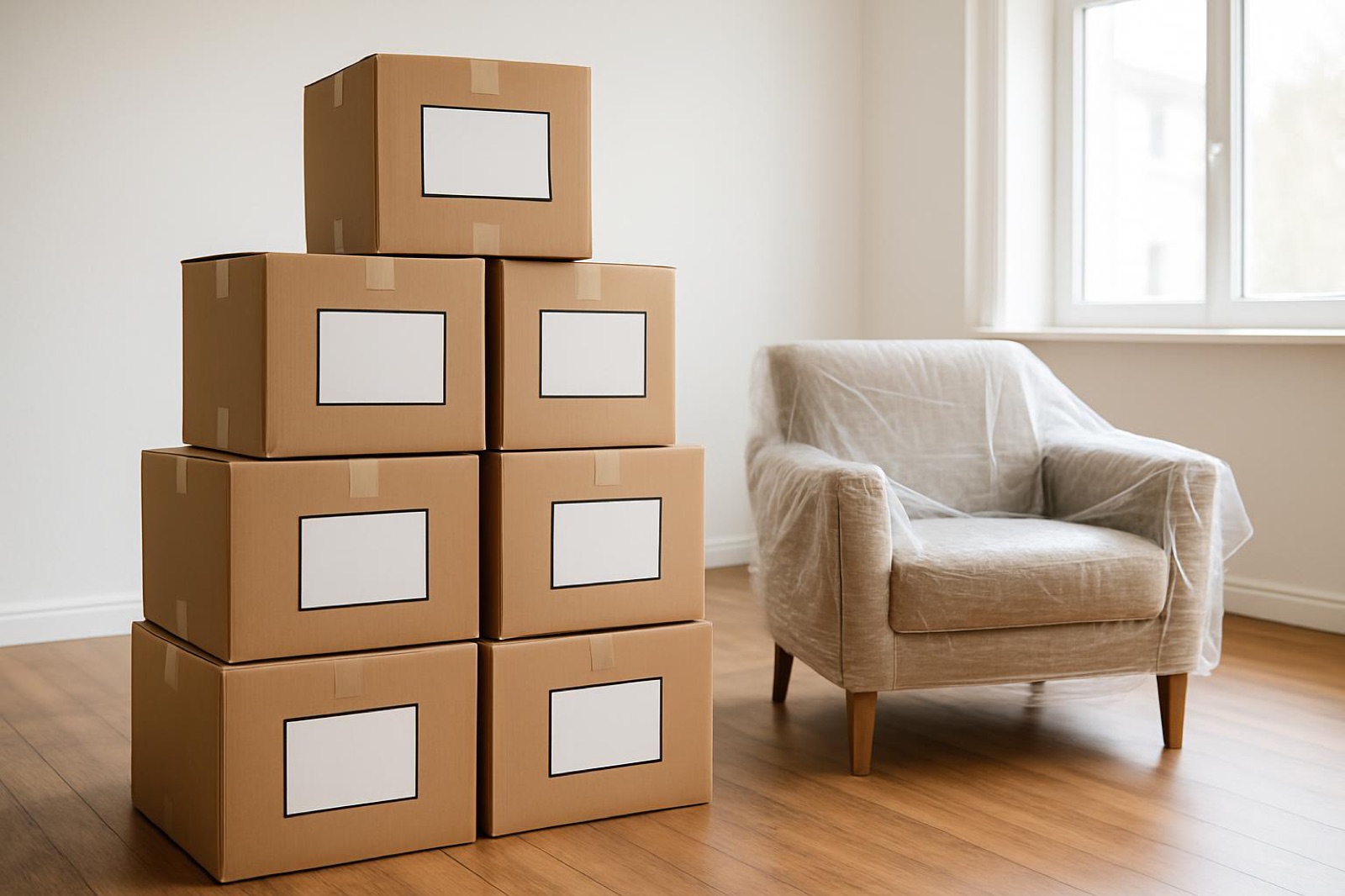
We also handle the leftover pile after a move: the mattress nobody wants, the desk that did not fit, the boxes marked for donation that never made it out the door.
How a cleanout day works
We walk the space with you first and ask what stays and what goes, since it is easy to assume a pile is all trash when part of it is not. From there the crew loads the truck, sweeping up as they go so the space is left usable.
Larger jobs, like a full estate cleanout, sometimes take a full day and a second truck. We will tell you honestly during the walk-through if that is what the job needs.
Sorting instead of dumping
Furniture in decent shape goes to donation where possible rather than straight to a dumpster. Metal, electronics, and anything else with a separate recycling path gets sorted out on site.
Tell us up front if there is anything you specifically want donated to a certain place, and we will keep it separate on the truck.
Pairing it with a move
A lot of our junk removal calls come alongside a residential move, where a family is downsizing and does not want to pay to load things they are not keeping. We can run the cleanout the week before the move so the house is lighter on the day itself.
It also works the other way for a business closing out a lease, clearing the space back to empty once the last box has gone out the door.
Pricing a cleanout
Junk removal is priced by how much space your items take up on the truck rather than by the hour, so a single dresser costs less than a full garage. We give you that figure after seeing the space, either in person or over a short video walk-through.
Heavier loads, like construction debris or old appliances, sometimes carry a different handling cost, and we tell you that up front rather than adding it at the end.