Start with what is not coming with you
Before a single box gets taped shut, walk each room and pull out anything you would not pay to move. Garages and attics hide the most surprise volume, so tackle those first while you still have energy for it.
Donation pickups are easy to arrange around Anderson, and a lighter load means fewer hours on the clock if your move is billed hourly.
Label for the unload, not the pack
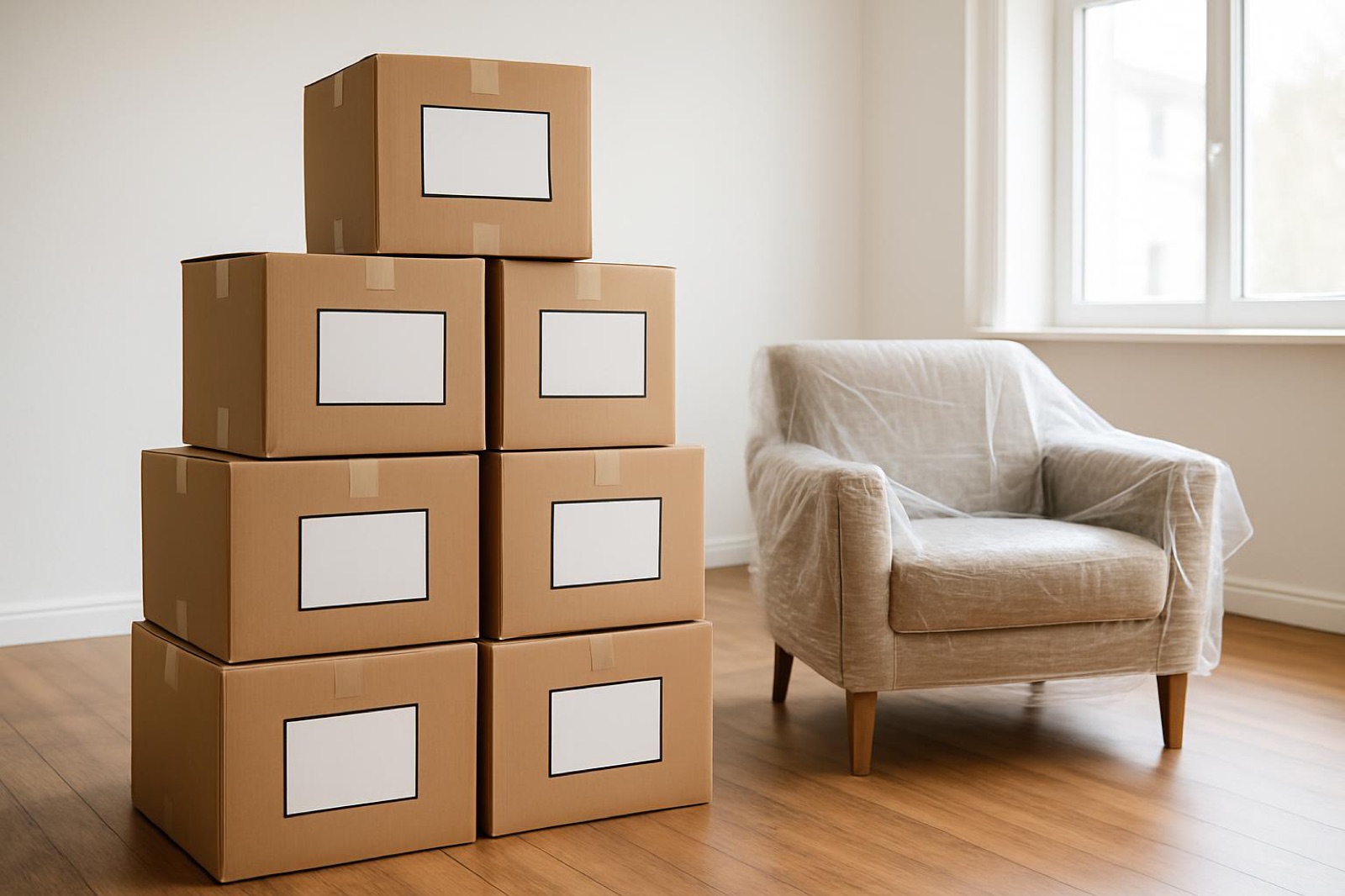
Write the destination room on two sides of every box, not the top, since boxes get stacked and the top disappears from view. Use the name of the room in the new house, which might not match the old one.
A short list of contents helps too. Coffee maker and mugs written on the side means finding breakfast on the first morning instead of opening six kitchen boxes one at a time.
Two weeks out
Confirm your moving date, book any elevator reservation or parking permit the building requires, and start collecting boxes if you are packing yourself. This is also the point to decide whether you want full packing, partial packing, or none at all.
If you have a piano, gun safe, or anything oversized, mention it now rather than the morning of the move.
The night before
Pack a first-night bag with bedding, towels, chargers, and a change of clothes, and keep it with you rather than on the truck. Set aside anything you plan to carry yourself, like documents or jewelry.
Get a full night's sleep if you can. Move day goes better when you are not also running on no rest.
Move day itself
Clear a path from the front door to the street if you can, and keep pets or younger kids somewhere else for the day. Once the crew arrives, your main job is answering questions and pointing at rooms.
Do a final walk-through of every closet and cabinet with the crew before the truck pulls away, so nothing gets left behind by accident.